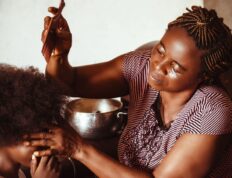

By nature, afro hair is the most fragile hair type and as such, tangles and twists aren’t rare when managing such. This can be frustrating to deal with, however, with proper care and patience not only can you learn to detangle these knots should they appear, but you can even prevent them too.
So, what specifically increases knots, twists and tangles?
Firstly, a lack of detangling is a sure way to form twists. As previously stated, afro hair tends to be coilier from the get-go, and so when hair is improperly detangled (or not at all) these coils can weave and intertwine amongst one another.
Secondly, friction against the pillow can also exacerbate this issue; by not sleeping with a bonnet or a headwrap, strands can begin to wrap around one another, anchoring each into a mass of knots. Failing to braid or twist hair before bed can also aggravate this.
More causes include improper blow-drying (starting from the roots to the tips), abstaining from combing the hair for several days and product build-up (numerous moisturisers, creams, butters without proper cleansing for periods of time, which can essentially form a glue).
Fortunately, regardless of the cause, these can be effectively remedied with action and patience. By lightly moisturising your fingers, and gently pulling apart these strands, you can save the tangled twists. It’s crucial not to tug, as you may damage your strands in the process or make the knots even tighter. Moisturising is best done with a light cream/oil or detangling spray. Only as a last resort, should you use scissors and even then, cut below the knot to preserve the healthy strands.
Narisse Monkam has classified tangles into four different types and has created a system on how to manage each – make sure to look into her book Colonised Hair, Decolonised Mind to find out more information on how to manage them. The book itself is a wealth of information on afro hair management, so ensure that you get a copy to better your hair care journey starting now.
.