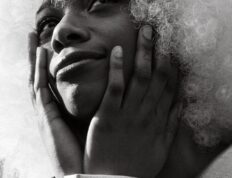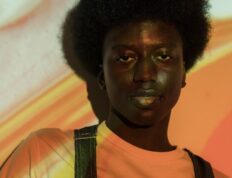

There are many teachings and practices in our tribal cultures that are significantto who we are as Africans including how we style our hair. Our hair has traditionally been considered sacred and important to who we are as an individual and to our family, tribe, and community.
Hair was a sacred cultural and spiritual symbol in ancient African societies who fashioned their hair for more than just style. Throughout the continent a person’shairstyle could tell you a lot about who they were and where they came from
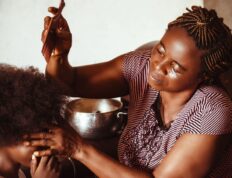
Managing and shaping hair was a special time of bonding for those involved (mother and daughter or aunties and nieces etc.) It was the time for women to laugh, catch up on the many things going on in their family and the society they were living in.
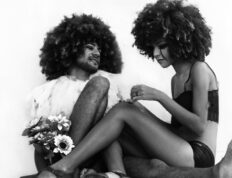
Many tribes expressed their cultural identity through their members’ hair.This promoted self-esteem, self-respect, a sense of belonging and a healthy sense of pride. Taking good care of our hair was integral to our self-respect. This involved styling it with threads and braids and ornamenting it with fresh flower, buds etc. Our hairstyle and its ornamentation were guided by the values of a person’s family and tribe. It was a form of creative self-expression and identification that reinforced our connections with family and tribe.
Different tribes had different hairstyle. Sadly, In many African culturesidentity expressed through hair is no longer taken into account as it used to be.
However, there are exceptions: Angolan tribeswomen, for example, still use dried cow dung to style their hair into dreadlocks and craft specially coloured necklaces to represent each stage of their life. Adult women are expected to style their hair using a mixture of oil, crushed tree bark, butter, dried cow dung and herbs to shape it into thick dreadlocks which are then dyed using oncula, a type of crushed rock to give it reddish copper colour. These dreads are then embellished using shells and beads to make them even more elaborate and eye catching. The number of dreadlocks, typically numberingbetween four and six (though there can be more) denotes the extent to which they have reached maturity, but three braids indicate there has been a death in their family. The women are also expected to wear huge necklaces, made from a mixture of mud and beads, which they always keep on – including while sleeping.